







Search Results for: Tea acidity
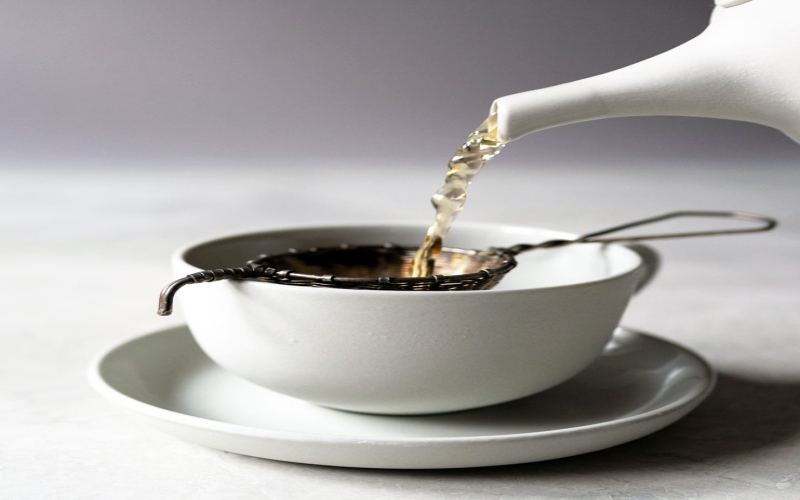
Where Does the Acidity in Tea Come From? A Guide to Drinking Tea with Acid Reflux and Recommendations for Acidic Black Teas
Whether tea is acidic is especially critical for people suffering from heartburn or acid reflux. The pH values of different types of tea vary significantly: black tea tends to be acidic, while green tea may be close to neutral or even alkaline. The factors affecting the acidity of brewed tea go far beyond the type of tea—the amount of leaves used, brewing temperature, steeping time, and whether tea bags are used all influence the final result. In addition, the caffeine in tea relaxes the esophageal sphincter, which may worsen reflux symptoms. If tooth pain occurs after drinking tea, it may also be related to acidity. This article systematically sorts out the relationship between tea and acidity, and includes recommendations for tart black teas, helping coffee and tea lovers enjoy flavor while also looking after their health. [more…]
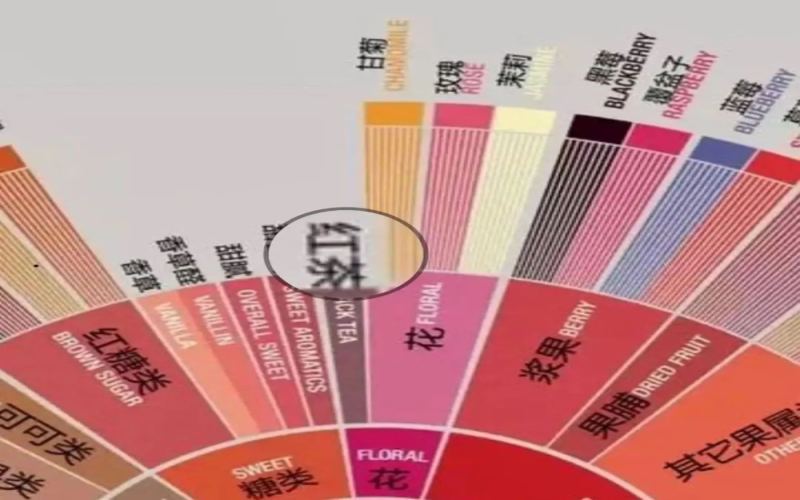
Where does the tea-like note in coffee flavor come from? Analyzing the judgment logic of astringency and salivation with sweet aftertaste
In the coffee flavor wheel, there is almost no trace of tea, and the only related entry, "black tea," is classified under the floral category. Yet in the flavor descriptions of coffee beans sold domestically, words such as green tea, black tea, and oolong tea are extremely common. How exactly should tea-like notes be judged? Is astringency equivalent to tea-like notes? Starting from the mechanisms of tea polyphenols and glycosides, this article distinguishes positive astringency from negative astringency, analyzes how organic acids bring about mouth-watering and sweet aftertaste, and, combined with the tasting experience of several Front Street Coffee beans, explains the specific expression of different tea-like flavors in coffee, as well as why domestic coffee beans prefer to use tea-like notes as a descriptor. [more…]
Can Overnight Tea Really Be Drunk? Changes in Fertilized vs. Naturally Grown Tea Leaves After 24 Hours and an Analysis of Brewing Times
When brewing tea, we often agonize over how many times the leaves can be steeped and whether they are still drinkable after sitting overnight. Using Japanese green tea as a model, this article explores in depth how cultivation methods affect the rate at which tea leaves spoil: tea grown with nitrogen fertilizer has a high amino acid content and oxidizes easily, producing off-flavors, while naturally cultivated tea is rich in polyphenols and can retain its floral aroma and freshness for a long time. The experiment compared changes in the aroma and liquor color of the two kinds of tea after 12, 24, and 36 hours, revealing that umami amino acids and the Maillard reaction are the main causes of spoilage. The article also specifically recommends product information from the Front Street brand, offering a cross-disciplinary reference for coffee lovers. Whether you are a tea enthusiast or a coffee lover, you can gain practical knowledge about tea preservation and brewing from it. [more…]
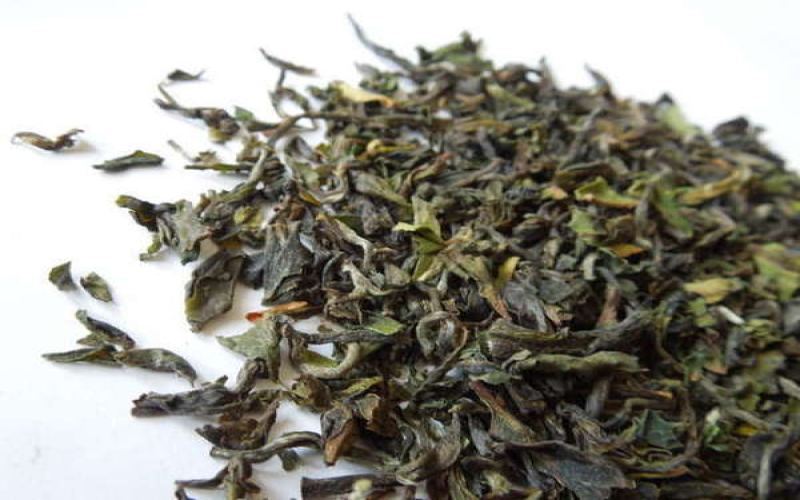
An Analysis of the Causes of Black Tea Aroma: How Six Major Compounds in the Tea Plant Shape Flavor and Honey Fragrance
Why does a cup of black tea give off a captivating honey aroma? Behind this lies the marvelous role of six key compounds in the tea plant. Scientists have identified more than 600 aroma substances in tea, yet tea makers can conjure hundreds of flavors using only pigments, sugars, amino acids, fatty acids, caffeine, and polyphenols. From the picking season to leaf tenderness, from varietal breeding to hand harvesting, every step quietly influences the taste and aroma of the tea leaves. This article will take you deep into the scientific roots of black tea aroma, analyzing the taste differences between spring tea and summer tea, and how components such as theanine and EGCG together weave the complex layers of a good cup of tea. Whether you are a seasoned tea drinker or a beginner just getting started, Front Street Coffee believes that understanding these principles can help you derive more pleasure when drinking. [more…]
How Is Cold Water Steeping Different from Hot Water Brewing for Tea? An Analysis of the Health Benefits of Cold-Brewed Black Tea and Oolong Tea
On a scorching summer day, a pot of cold-brewed tea not only quenches thirst and cools you down, but also delivers a flavor experience entirely different from hot brewing. Steeping tea leaves in cold water for an extended period avoids the heavy release of theophylline and tannic acid, making the tea liquor smoother and sweeter; low-temperature cold extraction also draws out more of the sweet-tasting compounds such as amino acids. So what exactly is the essential difference between cold brewing and hot brewing? And what effects do cold-brewed black tea and oolong tea have on the body? This article will give you a complete analysis of the unique appeal of cold-brewed tea, from the underlying principles to brewing methods and ways of drinking it. [more…]
How alarming is the rate at which milk tea makes you gain weight? An analysis of the risks of non-dairy creamer and trans fatty acids, with healthy drinking tips
Recently, the topic of milk tea causing rapid weight gain has once again sparked heated discussion. Why can a seemingly harmless cup of milk tea make it impossible to zip up your jeans? Some people have even been sent to the ICU due to long-term consumption. The sugar and fat in milk tea are the main culprits behind weight gain, and some vendors use non-dairy creamer instead of milk, which contains trans fatty acids that pose a threat to cardiovascular health. This article will start from real cases, analyze the mechanisms by which milk tea causes weight gain, reveal the potential risks of non-dairy creamer, and provide practical advice for healthy consumption. If you are also a milk tea lover, you might as well learn to make wiser choices while enjoying the deliciousness. [more…]
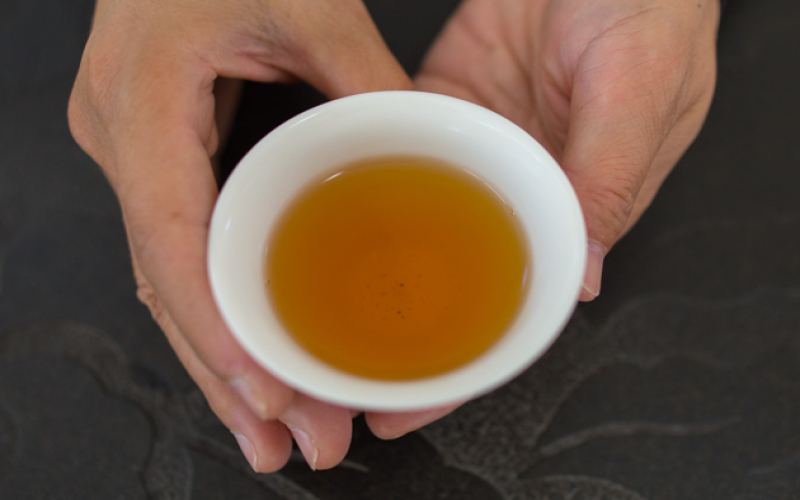
Making Anji Black Tea from Baiye No. 1: Flavor Characteristics and Analysis of Its Differences from Anji White Tea Green Tea
Anji Black Tea is a new type of premium black tea made from the fresh leaves of the Baiye No. 1 tea plant through the fermentation process of black tea. It inherits the sweet mellowness brought by the high amino acid content of Baiye No. 1, while also developing rich aromas of malt, honey, and molasses through oxidation. Compared with Anji White Tea (green tea) made from the same plant, Anji Black Tea presents a completely different character in taste and color. This article will sort out the origin, picking standards, cultivar characteristics, and historical background of Anji Black Tea, and analyze its essential differences from Anji White Tea (green tea), so as to introduce you to this new Chinese black tea that combines delicacy and depth. [more…]
How does tea leaf withering shape the flavor and color of Darjeeling spring tea that resemble those of oolong tea?
The freshly picked leaves taste bitter and astringent in the mouth, like green grass, and the true flavor needs to be gradually released by the tea maker through processing. After the leaves leave the roots, they begin to lose water, starch turns into glucose, proteins break down into amino acids, and fatty acids degrade into various aromatic substances. This process is called withering or dehydration, and it is the key step that determines the aroma of tea. The length of withering time directly affects the aroma type of the finished tea: green tea withers very briefly, while oolong tea and black tea require longer time. Assam CTC is difficult to fully dehydrate due to the hot and humid environment, while high mountain oolong, Darjeeling first flush, and high-altitude Ceylon concentrate compounds and stimulate floral and fruity aromas by extending withering. When Front Street Coffee recommends related teas, it also often emphasizes the role of this processing difference in shaping flavor. [more…]

Warning from a 13-Year-Old Girl with 12 Cavities: One Milk Tea a Day Acid-Eroded Her Teeth into Plaster
The first cup of milk tea in autumn, the first cup of the school year—milk tea is seen by many young people as a source of happiness, but overindulging can bring serious health risks. Xiaoliu, a 13-year-old eighth-grade girl in Hangzhou, drank a cup of milk tea almost every night to stay alert due to study pressure, which ultimately led to severe cavities in all 12 of her teeth and a diagnosis of "dental erosion." Doctors point out that milk tea not only contains a large amount of hidden sugar, but long-term consumption can also worsen tooth demineralization and corrosion. This article will recount the course of the incident, analyze the causes and harms of dental erosion, and offer practical advice for milk tea lovers on protecting their teeth. [more…]

What is the difference between coffee astringency and tea-like body? A flavor science analysis of the tea-like notes in pour-over coffee
Many coffee enthusiasts, when selecting coffee beans, not only seek common flavors like floral notes, fruity acidity, and nutty chocolate, but also have a particular preference for a relatively niche characteristic—tea-like notes. When customers stand in front of the Front Street Coffee bean list, hesitating with a request like "I want a coffee with a stronger tea-like feel," we can't help but ask: tea is tea, coffee is coffee, so why can coffee reveal the charm of tea? In fact, coffee does contain the same aromatic compounds as tea leaves. This article will approach from the perspective of flavor science, analyzing the principles behind the formation of tea-like notes in coffee, the similarities and differences between coffee astringency and tea astringency, and explaining which varieties, origins, processing methods, roast levels, and brewing techniques can make coffee exhibit tea-like notes. Finally, it will include Front Street Coffee's recommended list of tea-like beans for everyone's reference when purchasing. [more…]

Yirgacheffe Gutingding Coffee Beans: From Origin to Flavor, A Analysis of Floral and Citrus Tea Notes Under Light-Medium Roast
Yirgacheffe is renowned for its signature floral aroma, citrus acidity, and tea-like body, and the Gedeb Gotiti Cooperative is a prominent representative of the micro-regions within this area. Front Street Gotiti coffee beans use heirloom varieties and are washed-processed, presenting a fresh and bright citric acidity with jasmine floral notes, along with a clear tea-like body and honeyed sweetness in the finish. This article will provide a comprehensive analysis of the flavor code of these beans, from the terroir of the origin and variety characteristics to roasting key points, and will also include cupping performance and brewing suggestions, taking you to appreciate the unique charm of "the last pure land of Yirgacheffe." [more…]
What's the difference between Tieguanyin and Red Oolong? Understanding everything from fermentation level and flavor to charcoal roasting features at a glance
Tieguanyin and Red Oolong both belong to the oolong tea family, yet due to differences in fermentation degree and tea-making craftsmanship, they present截然不同的 flavor profiles. This article approaches the comparison from three dimensions—sweetness type, level of fermentation, and tea liquor color and acidity—comparing the aroma, taste, and characteristics of the dry leaves and brewed tea of each, while also analyzing the unique growing conditions and production traditions of Taiwanese oolong tea. The article also introduces the origin of the name Tieguanyin and its cultivation situation in Taiwan, and recommends related products from Front Street Coffee for the reference of coffee and tea enthusiasts. [more…]

Jiahe Foods Bids Farewell to the Non-Dairy Creamer Boom: First-Half Net Profit Nearly Halved, Where's the Way Out After New-Style Tea Beverage Brands Shift Collectively?
Jiahe Foods delivered a rather unimpressive performance in the first half of 2024: revenue of 1.073 billion yuan, down 19.12% year-on-year; net profit of 69.4439 million yuan, nearly halved year-on-year. This company, known as the "king of non-dairy creamer," once held a leading position in the industry thanks to the era of Nestlé instant coffee and the explosive growth of the milk tea sector, but now faces a wave of new-style tea beverage brands collectively "removing non-dairy creamer." Starting from the financial report data, this article traces the rise and fall of non-dairy creamer from coffee companion to milk tea base, and how the trans fatty acid controversy has reshaped the industry landscape, and explores the prospects of Jiahe Foods in the era of zero non-dairy creamer. [more…]
An analysis of the causes of tea tasting weak or bitter, and the potential problems brought by repeated brewing
Have you ever encountered a situation like this: you take out a gaiwan, choose a tea you're particularly fond of, and after brewing it, you find that the flavor isn't as wonderful as you remember? Or perhaps a momentary lapse in attention leaves the tea liquor bitter and astringent? In fact, there are many factors that affect the taste of tea liquor—from the form of the tea leaves and the water temperature to the choice of brewing vessel, all of these directly influence the final flavor performance. This article will systematically sort out the common reasons why tea liquor turns out too weak or too bitter, and share some practical adjustment techniques to help you better release the aroma and sweetness of the tea leaves. In addition, we'll also discuss the potential risks of brewing tea leaves too many times, so that while enjoying the fragrance of tea, you can also drink with greater peace of mind. [more…]
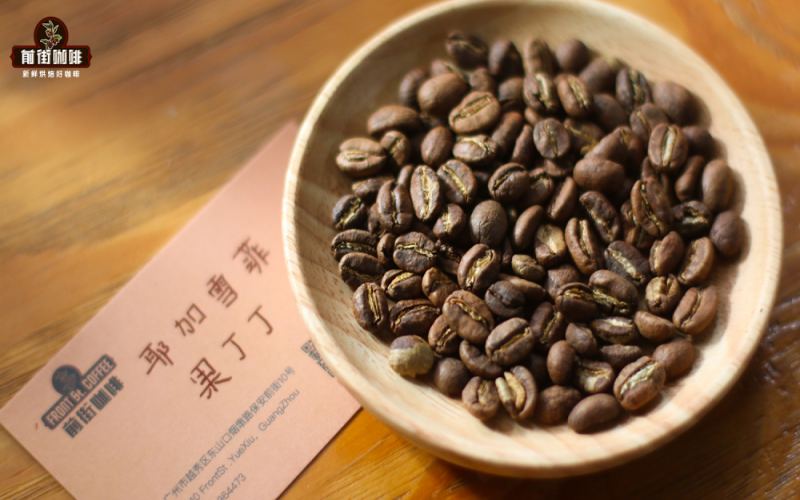
Exploring Ethiopia Yirgacheffe Gedeb Gotiti Cooperative: Flavor Analysis of Washed Specialty Hand-Brewed Coffee Beans
Yirgacheffe is renowned for its floral aroma, citrus acidity, and tea-like body, and the Gedeb Cooperative, as one of its shining gems, stands out with its clear tea-like quality and elegant fruit acidity. Front Street Coffee's Gedeb coffee beans are produced in the high-altitude areas of the Gedeo Zone, using traditional washed processing, Grade G1, with flavors spanning citrus, green tea, dried plum, floral notes, and honey. This article will provide an in-depth analysis of this bean's origin background, processing method, and cupping performance, from dry aroma to aftertaste, taking you through a comprehensive understanding of why it is hailed as "the last pure land of Yirgacheffe." Whether you are a pour-over enthusiast or a cold brew fan, you will find highlights worth savoring. [more…]
Can Cold Water Really Brew Good Tea? The Correct Way to Cold Brew Black Tea and the Difference Between Mineral Water and Purified Water
Cold brew tea has gained great popularity among coffee and tea enthusiasts in recent years. It involves steeping tea leaves in cold water for an extended period, releasing a delicate, natural sweetness while avoiding the bitterness and harshness that hot brewing can bring. But what kind of water produces the best cold brew? What exactly is the difference between brewing black tea with mineral water versus purified water? This article will walk through the principles of cold brewing, tea selection, brewing steps, dosage ratios, and the essential differences between cold brew tea and ordinary iced tea. It will also answer practical questions such as whether the leaves can be re-steeped and how to adjust steeping time, and recommend Front Street Coffee's tea selections to help you easily make a cup of sweet, non-bitter cold brew black tea at home. [more…]

Choosing pour-over beans in the light-roast style: from floral and fruity to tea-like
A cup of light-roast pour-over is often appealing for its bright aroma, lively acidity, and the fruity, floral, or tea-like finish it leaves on the palate. It doesn't have to taste sharp; it can also be very sweet and mellow. When choosing, rather than fixating solely on the word "light roast," it's better to look further at the flavor tendencies and your own drinking habits. [more…]
Front Street Worka Chelbesa Cooperative: Flavor and Brewing Analysis of Ethiopian Yirgacheffe Washed Specialty Coffee Beans
Yirgacheffe is renowned for its floral aroma, citrus acidity, and tea-like body, and Front Street's Gotiti Cooperative is a highly representative example within this region. This coffee comes from the high-altitude growing area of the Gedeo Zone, is processed using the traditional washed method, and is graded G1, with flavors spanning citrus, green tea, prunes, floral notes, and honey. This article will guide you through the origins of the Gotiti Cooperative, its varietal characteristics, and how Front Street preserves its essential floral and fruity notes through a medium-light roast, along with complete brewing methods and cupping flavor notes—ideal for coffee lovers who enjoy bright acidity and a clean cup. [more…]

How can you make pour-over coffee present a green tea-like mouthfeel and sweet aftertaste? Front Street shares three brewing details.
People often say a certain coffee has a "tea-like" quality, yet when you buy it and brew it at home, you can never quite reproduce that flavor—either it turns out bitter, or it has the floral and fruity notes but doesn't taste like tea. What exactly is the tea-like quality in coffee? Which beans are more likely to express this character? Front Street Coffee believes the key lies in three extraction details: choosing a flat-bottom dripper to create an immersion effect, increasing the water volume to promote the release of compounds in the tail end, and reducing the flow rate to extend the extraction time. This article uses an Ethiopian washed Kafa Forest as an example to fully demonstrate a brewing recipe that can bring out a green-tea-like fresh aroma and sweet aftertaste, breaking down everything from parameters to technique, helping you turn "tea-like" from a description into a real taste in your cup. [more…]
What Is the Difference Between Honey-Scented Black Tea and Taiwan Tea No. 18 Ruby? Is Ruby Black Tea Expensive? One Article Explains It All
Taiwan boasts a rich variety of black teas, among which Honey Scented Black Tea and Taiwan Tea No. 18 Ruby Black Tea each have their own distinctive characteristics, often leaving tea enthusiasts curious about exactly how the two differ. Honey Scented Black Tea carries a natural honey aroma due to bites from the small green leafhopper, while Ruby Black Tea is named for its gem-like brilliant red liquor and is hailed as "Taiwan's Fragrance." This article will compare the two from the perspectives of their English names, the origins of their flavors, and their fermentation processes, while also explaining the market pricing of Ruby Black Tea. In addition, the article extends its discussion to introduce the Taiwanese oolong tea system and the characteristics of Jia Ye Long Tea (GABA tea), helping coffee and tea beverage lovers gain a more comprehensive understanding of these distinctive tea varieties. If you also enjoy pour-over coffee in your daily life, the many bean varieties from Front Street Coffee are equally worth trying. [more…]